
Sauna & sea · Contrast bathing
Fire, then the North Sea, then stillness.
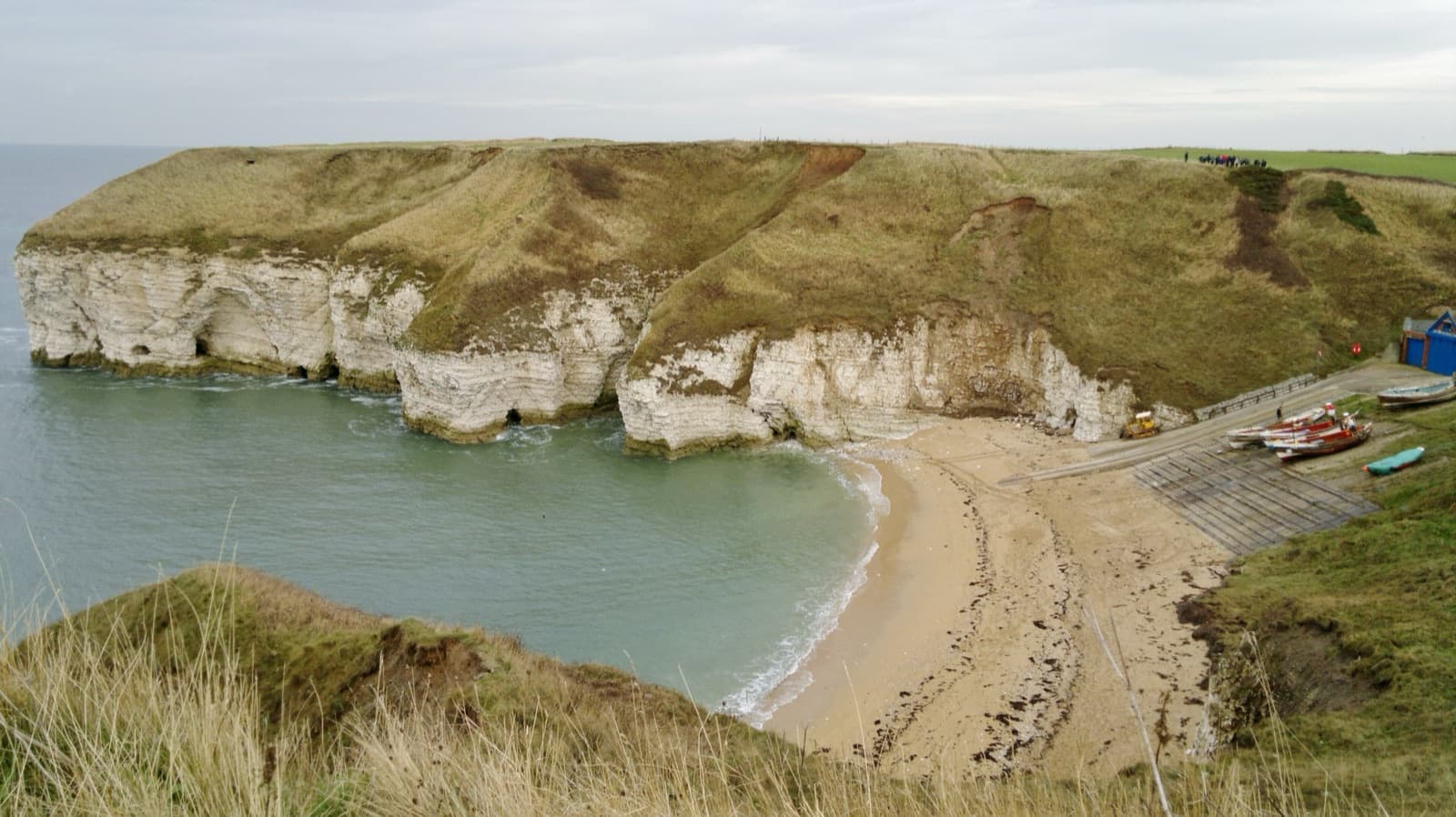
At North Landing the cold plunge is the sea itself. Here’s how the hot–cold–rest rhythm works, how to get into cold water without getting into trouble, and how cold the water off Flamborough really is through the year.
- Sea today
- 12°C
- Late winter sea
- ≈ 6–8°C
- Late summer sea
- ≈ 14–16°C
- Lifeguards
- None
Contrast bathing
Hot, cold, rest. Repeat.
Going from a sauna into cold water is one of the oldest bathing rituals there is. In Finland people walk from the sauna into a lake; in winter they might roll in the snow. Today you’ll hear it called contrast bathing, contrast therapy or a sauna and cold plunge. At North Landing it’s simpler than any of those names: the wood-fired sauna is on the sand, and the North Sea is a few steps away.
People describe the feeling afterwards in all sorts of ways — awake, calm, oddly warm, very hungry. We’d rather you came and found your own word for it than took ours.
Heat
Roughly 8–15 minutes in the sauna. Sit lower for gentler heat, higher for more. Leave when you’ve had enough.
Cold
Cool down in the sea air, or walk slowly into the sea when conditions allow. A short dip is plenty.
Rest
Wrap up, sit down, drink water and let your body settle for ten minutes or so before going again.
New to sauna altogether? Start with our first-timer’s guide: how hot it gets, what to wear and how long to stay in.
Cold water shock
The first minute matters most.
When you get into cold water, your body reacts before you can think. You gasp, your breathing speeds up and your heart works harder. This is cold water shock, and it is strongest in the first minute or so. It passes if you stay calm and keep your head above water — which is why how you get in matters far more than how long you stay.
How to get into cold water safely
- Enter slowly. Walk in a step at a time. Let the water reach your waist before your shoulders.
- Control your breathing. Expect the gasp. Breathe out long and slow until it settles.
- Never jump or dive. Not from the rocks, not from the slipway, not anywhere.
- Never go in alone. Go with someone, and have someone on the beach who knows you’re in.
- Wear footwear on the rocks. Chalk and weed are slippery; flip-flops or water shoes help.
- Stay in your depth. Keep your feet near the bottom and stay close to the shore.
- Get out before you shiver hard. A minute or two is plenty. Stop while you still feel in control.
- Warm up gradually. Dry off, layer up and sit down. Ease back into the sauna rather than rushing straight to the top bench.
There are no lifeguards at North Landing. Every guest gets a safety briefing, and we can only guide you on your time in the sauna. If you have a heart condition, high blood pressure or are pregnant, talk to your GP before cold water — and never go in after drinking alcohol.
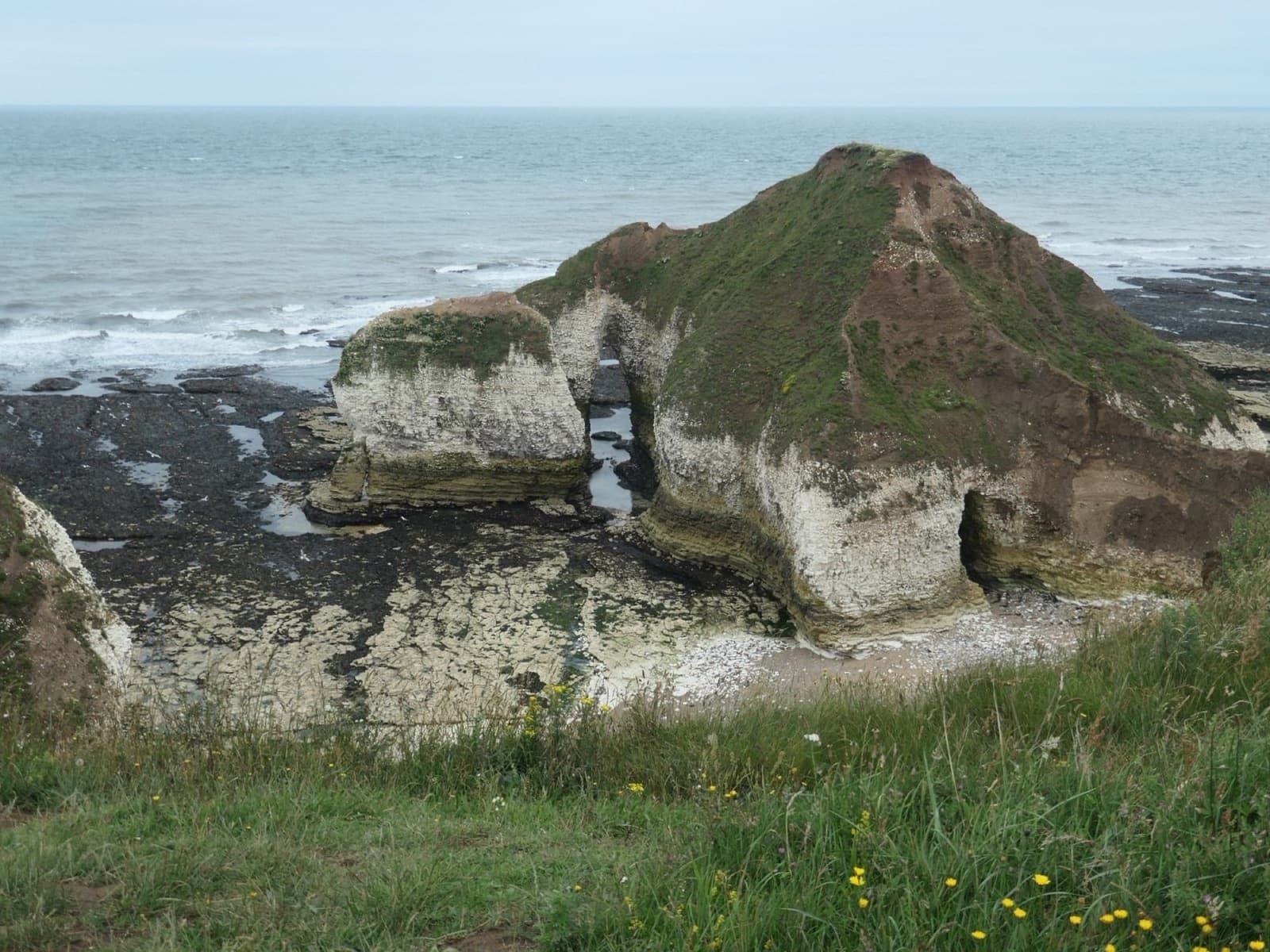
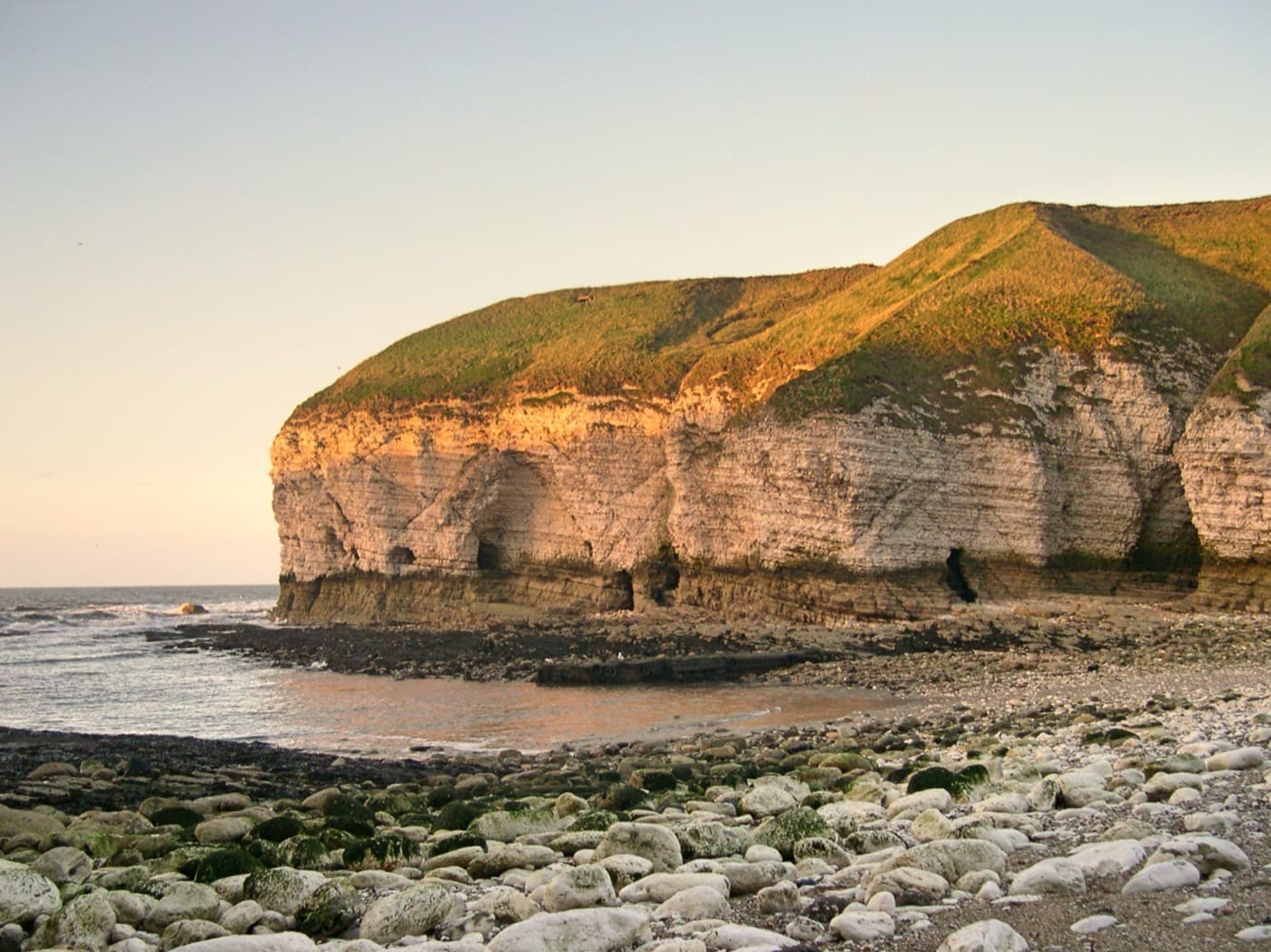
in Yorkshire has no walls.Photo: Christine Johnstone · CC BY-SA 2.0
The cold is optional
You don’t have to swim.
Plenty of guests never go near the water. Sitting on the beach in the wind, wrapped in a towel, while the heat leaves you is its own kind of cold plunge.
Do I have to swim in the sea?
Not at all. The sauna can be enjoyed by resting on the beach between sessions.
Please note dipping in the sea is completely at your own risk, make sure you are healthy and capable before jumping in.
The sea will be there next time. Come back to it when it feels right.
Sea temperature
How cold is the North Sea?
The North Sea off Yorkshire is roughly 6–8°C in late winter and early spring, its coldest point, and slowly warms to around 14–16°C by late summer. It keeps some of that warmth into autumn, then cools again through the winter. These are rough figures and vary from year to year and day to day.
- Jan – Mar≈ 6–8°C
- Apr – May≈ 7–10°C
- Jun – Jul≈ 10–14°C
- Aug – Sep≈ 14–16°C
- Oct – Nov≈ 10–14°C
- December≈ 8–10°C
Is it ever warm enough to swim comfortably?
Not in the way the Mediterranean is. Even at its warmest the North Sea is cold enough to cause cold water shock, so the same rules apply in August as in February: slowly, never alone, and not for long.
Tides & conditions
The sea sets the timetable.
North Landing is a small, sheltered cove, but it’s still the open North Sea. The tide changes how much beach there is and where you can get into the water, and swell can make it unsafe to go in at all. Check the tide chart and today’s conditions before you come.
- There are no lifeguards at North Landing.
- In rough seas, sessions may move up the slipway or be cancelled.
- When you book, you’ll be asked to confirm you’re fit and well enough to use a sauna.
- Bring swimwear, flip-flops, a water bottle and two towels, and arrive ready — there are no changing facilities yet.
Sea swimming and wild swimming in Yorkshire
The Yorkshire coast is one of the most dramatic places in Britain to get in the sea, from the chalk coves around Flamborough Head to the sweeping bays at Filey and Scarborough. If you’re exploring further, read our guide to things to do in Flamborough, and for getting here and parking, see visiting North Landing.
Sessions this week
Monday26 October
Saturday7 November
Good to know
Heat and cold, answered.
What is contrast bathing?
Contrast bathing — sometimes called contrast therapy — means moving between heat and cold: a round in the sauna, a cool-down in cold air or water, then a rest, repeated two or three times. It’s an old ritual in Nordic countries, where people have long gone from the sauna to a lake, the sea or a roll in the snow.
Is a cold plunge after a sauna safe?
For most healthy adults it can be done sensibly, but the cold is a real shock to the body. Get in slowly, control your breathing, never dive or jump, never go in alone and get out before you shiver hard. If you have a heart condition, high blood pressure or are pregnant, speak to your GP first — and skip the cold altogether if in doubt.
Do I have to swim in the sea?
Not at all. The sauna can be enjoyed by resting on the beach between sessions. Please note dipping in the sea is completely at your own risk, make sure you are healthy and capable before jumping in.
How cold is the North Sea at Flamborough?
Roughly 6–8°C in late winter and early spring, rising to around 14–16°C by late summer. Today it’s about 12°C. Even in August it is cold enough to cause cold water shock, so treat it with respect all year round.
How long should I stay in cold water?
Not long — often a minute or two is plenty, especially in winter. There is no need to stay in for any set time. Get out while you still feel in control and before you start to shiver hard.
Is there a lifeguard at North Landing?
No. There are no lifeguards at North Landing. Every guest gets a safety briefing, and we can only guide you on your time in the sauna. Dipping in the sea is at your own risk.
What happens if the sea is rough?
In rough seas we may move the session up the slipway, away from the water, or cancel it. On those days, the cold comes from the sea air instead.
Is there good wild swimming in Yorkshire?
The Yorkshire coast has plenty of beautiful spots, from Flamborough’s chalk coves to the long beaches at Filey and Scarborough. Many have no lifeguards, so check tides and conditions, never swim alone and stay within your depth.
More questions? See the full FAQ, or read about the North Landing lifeboat station whose slipway you’ll be walking down.
The stove’s lit. The sea’s waiting.
Book a shared session, hire the whole sauna for your group, or give someone the North Sea as a gift.
More from the landing
Keep exploring
- Sessions & pricesShared sessions, sunrise and sunset sittings, and how a visit to the wood-fired sauna works.
 Private hireThe whole sauna for your group — birthdays, friends, teams and quiet afternoons by the sea.
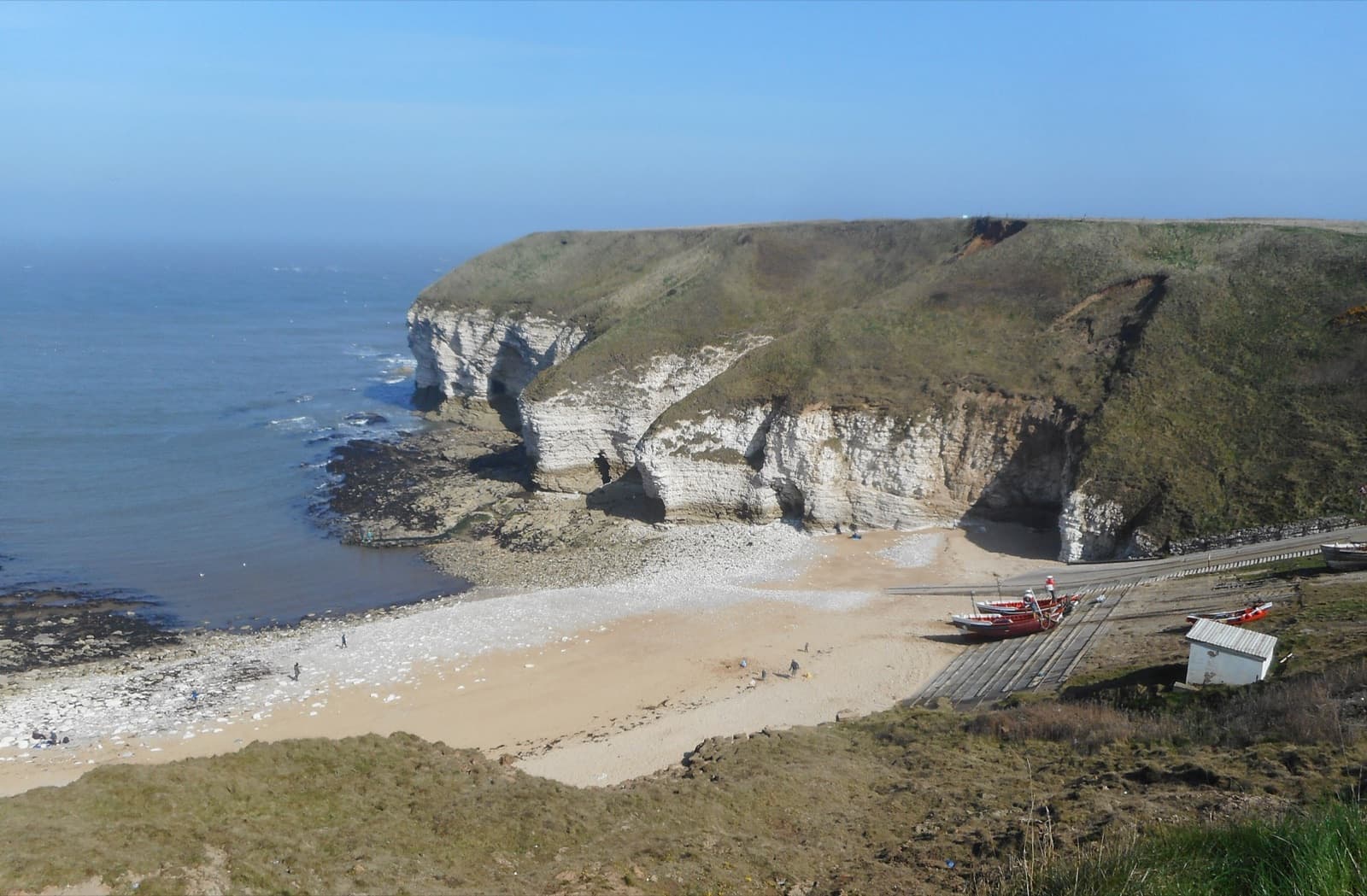 Gift vouchersGive someone the North Sea — sauna gift vouchers, sent instantly and valid for a year.
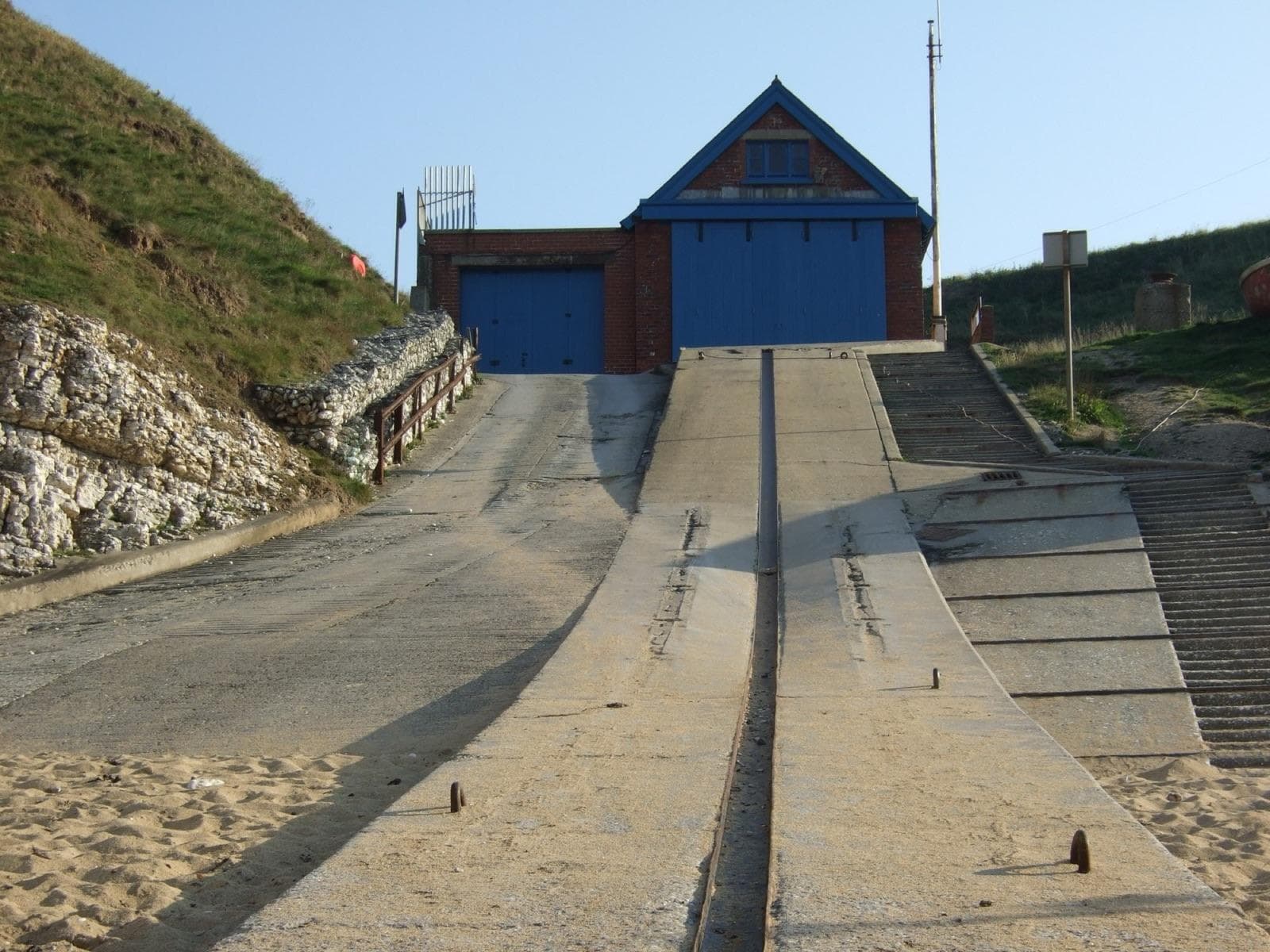 Visiting North LandingWhere we are, parking, the walk down to the slipway, what to bring and how to get here.
 First-timer’s guideHow hot a sauna is, what to wear, how long to stay in and the unwritten rules.
- Things to do in FlamboroughSea caves, puffin cliffs, lighthouses and chalk bays — a local’s guide to Flamborough Head.